
We’re hearing more and more about fascia – and for good reason
Fascia isn’t just “extra tissue”… it’s a whole-body, intelligent web that wraps around and through everything – your muscles, organs, nerves, even your sense of movement and awareness.
Modern research now describes it as a continuous, interconnected system that influences how the entire body functions and communicates.
And when this system becomes restricted, dehydrated, or overloaded… we feel it.
Stiffness. Tightness. Fatigue.
That sense that your body just isn’t moving as freely as it used to.
Fascia Hydration – Why It Matters
Healthy fascia is fluid, elastic, and able to glide.
But with too much sitting, stress, or repetitive movement, the tissue can become more dense and sticky, reducing its ability to slide smoothly.
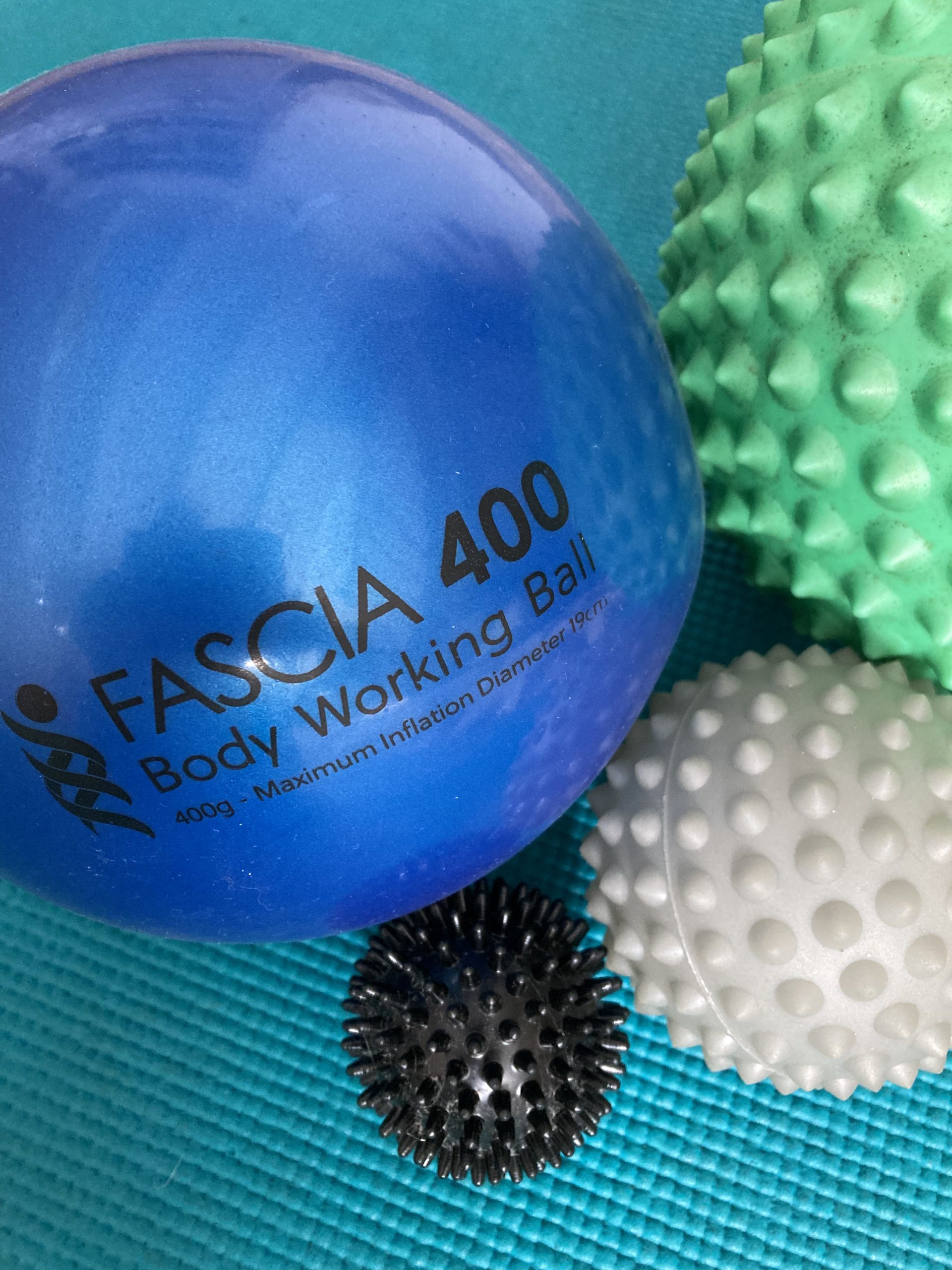
Self-myofascial release helps to reintroduce movement and pressure into the tissue, encouraging better fluid dynamics and restoring that sense of ease.
It’s Not Just Mechanical – It’s Neurological
One of the most exciting shifts in fascia research is this:
It’s not just about “breaking up knots.”
Fascia is richly innervated with sensory receptors, meaning it plays a huge role in:
🌿 Body awareness
🌿 Pain perception
🌿 Nervous system regulation
When we apply slow, mindful pressure (as in the Fuzz Method approach), we’re not forcing change – we’re communicating with the nervous system.
This is why self-release can feel deeply calming, grounding, and sometimes unexpectedly emotional.
Releasing Restriction, Restoring Movement
Fascia isn’t separate from muscle – it surrounds, connects, and blends into it. So when fascia becomes thickened, dehydrated, or restricted, it can directly affect how muscles function.
You can think of it like this:
🌿 Muscles don’t just contract in isolation
🌿 They rely on fascia to transmit force, glide, and coordinate movement
When fascia loses its elasticity:
🌿 Muscles may feel tight or overactive
🌿 Other muscles may become underactive or inhibited
🌿 Movement becomes less efficient and more effortful
🌿 The body may compensate, leading to strain or imbalance
So sometimes what feels like a “tight muscle” is actually restricted fascia limiting how that muscle can lengthen and contract.
Simple Tools, Real Change
With simple tools and awareness, we can begin to work with the body rather than against it.
Gently restoring movement, hydration, and connection—so the body can move with more ease, efficiency, and freedom.
